Flood insurance quotes, shopped for you
Same house. Same flood insurance.Half the price.
We shop up to 47 flood insurance companies, private and government (the National Flood Insurance Program, NFIP, run by FEMA), then show you the lowest price. You type your address. That's it.
Cheaper flood insurance.
The exact same coverage.
So what's the second price on your home?
Watch us shop one home.
Flood insurance quotes online: address in, prices out. Same coverage, side by side.
Shop My Home Next
One price
isn't a comparison.
If you got one quote, you don't know if it's a good one. Nobody does.
We shop all of them. You pick.
Get My Flood QuotesFlood insurance companies we shop.
Private flood insurance companies and NFIP carriers, side by side. We place them all, so you get the best one for your home.
3 things you were told
that cost you money.


Which one is you?
Every one of these is a reason to compare today.




Your flood bill is hiding in your mortgage payment.
When flood insurance goes up, your monthly payment goes up. Lower flood bill. Lower payment.
Lower My Flood BillYou do step 1.
We do the rest.
Here's everything you get.
Why free? Insurance companies pay us when you choose a policy. The comparison costs you nothing.
If what you have is the better deal, we'll tell you to keep it.
No pressure. No switch unless you say yes. You walk away knowing.
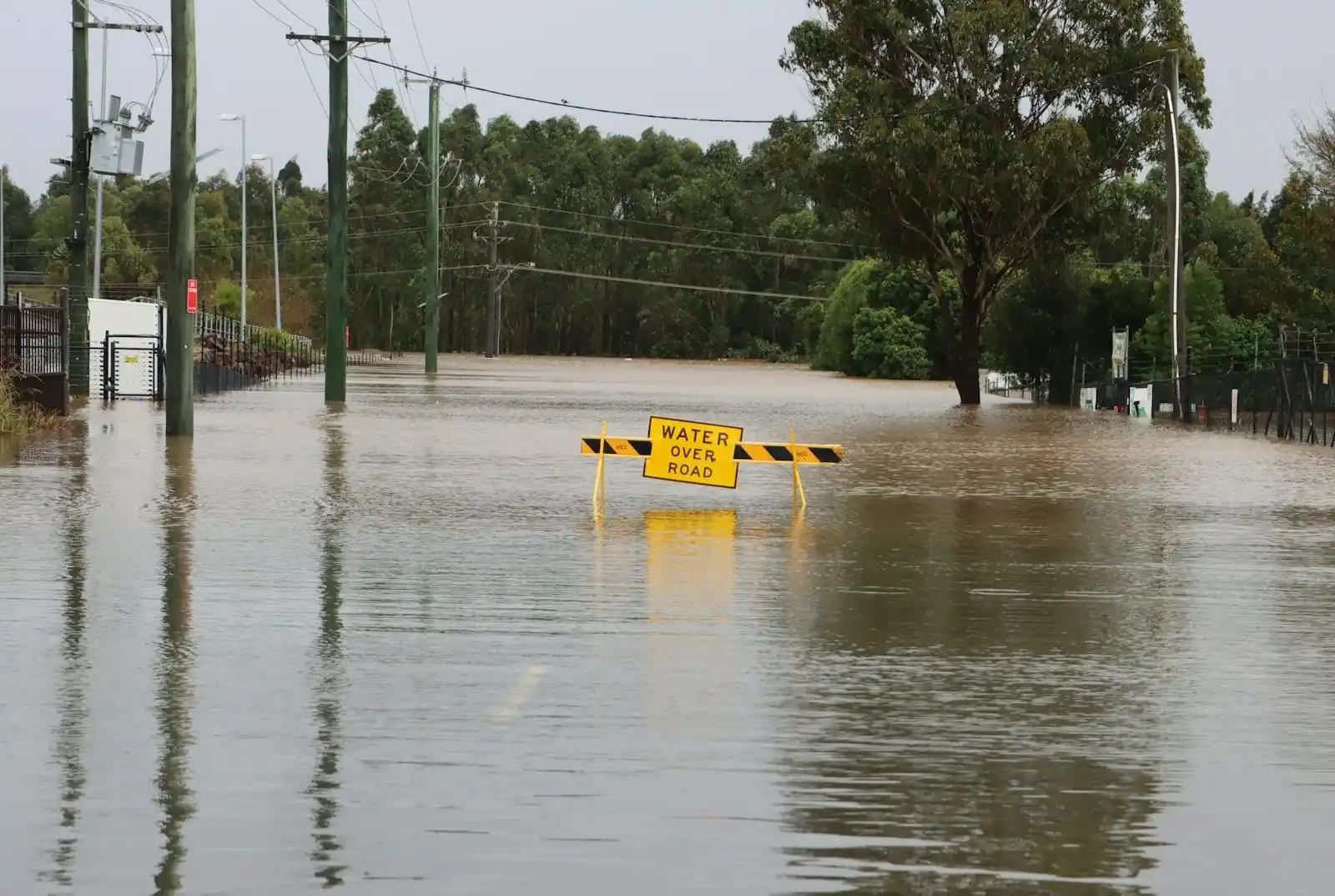
If you never compare,
you'll never know.
Pick your county.
See what it costs there.
Every county page shows the local flood zones, the average flood claim paid, your community's discount, and flood insurance quotes from private carriers and the NFIP.
Not sure of your zone? Check your flood zone by address →

Straight answers.
No government-speak.
Quick answers.
What is flood insurance?
A separate policy that pays for flood damage to your building and, if you add it, your belongings. Homeowners insurance does not cover flood. You can buy it from the NFIP or from a private flood insurance company.
Is flood insurance required? Do I need it?
If your home is in a high-risk flood zone (any zone starting with A or V) and your mortgage comes from a federally regulated or federally backed lender, yes. Your lender will require it. Outside those zones it is your choice.
How much is flood insurance?
It depends on your building more than your zone: elevation, foundation, year built, and distance to water all move the price. That is why two flood insurance quotes on the same home can be hundreds of dollars apart.
Is private flood insurance cheaper than the NFIP?
Sometimes, and sometimes by a lot. It depends on the home. The only way to know is to compare a private flood insurance quote and an NFIP quote for the same coverage.
What do AE, X and BFE mean on my flood map?
AE is a high-risk zone with a set base flood elevation (BFE), the height floodwater is expected to reach in a flood with a 1% chance each year. X is moderate to low risk. How high your building sits compared with the BFE is one of the biggest drivers of your price.
Will my lender accept a private policy?
Federally regulated lenders must accept a private flood policy that meets the federal definition. We only show you ones that do.
Is this really free?
Yes. Insurance companies pay us when you choose a policy. The comparison costs you nothing.
I already have flood insurance. Can I still switch?
Yes. You can replace a policy mid-year, and an NFIP policy replaced by a private one gets a refund for the unused time.
How fast is it?
Entering your address takes about a minute. A licensed agent gets your quotes back to you.
Do I have to switch?
No. If what you have is the better deal, we will tell you to keep it.